

Strategy
Why Specialised AI Voice Agents Consistently Outperform Generalist Deployments
·7 min read
The fundamental problem with single-agent voice deployments is the same as having one employee handle all functions simultaneously: depth of knowledge suffers across every function, and callers in every category receive a suboptimal experience. A sales conversation requires different knowledge, different tone, and different success criteria than a support conversation or a booking interaction. Forcing one agent to handle all three produces mediocre results across all three.
Our multi-agent platform solves this by deploying specialised agents for each function, while eliminating the operational overhead that would otherwise make multi-agent deployment impractical — multiple vendor relationships, multiple CRM integrations, multiple compliance configurations.
Every agent on the platform shares a common integration layer — one connection to your CRM, one calendar integration, one telephony setup — but each agent has its own conversation design, knowledge base, voice persona, and success metrics. Cross-agent routing ensures callers always reach the right specialist, with full context preserved across handoffs.
You have deployed a single voice agent that handles multiple call types and the performance is inconsistent — good for some queries, poor for others. Your call mix is genuinely diverse: sales enquiries, support queries, and booking calls all coming into the same number with fundamentally different handling requirements. You have tried to add a second use case to your existing agent and found that each new function dilutes the performance of the others. You need separate compliance configurations for different call types — for example, outbound sales calls and inbound support calls with different recording consent requirements.


 Specialised Inbound Sales Agents
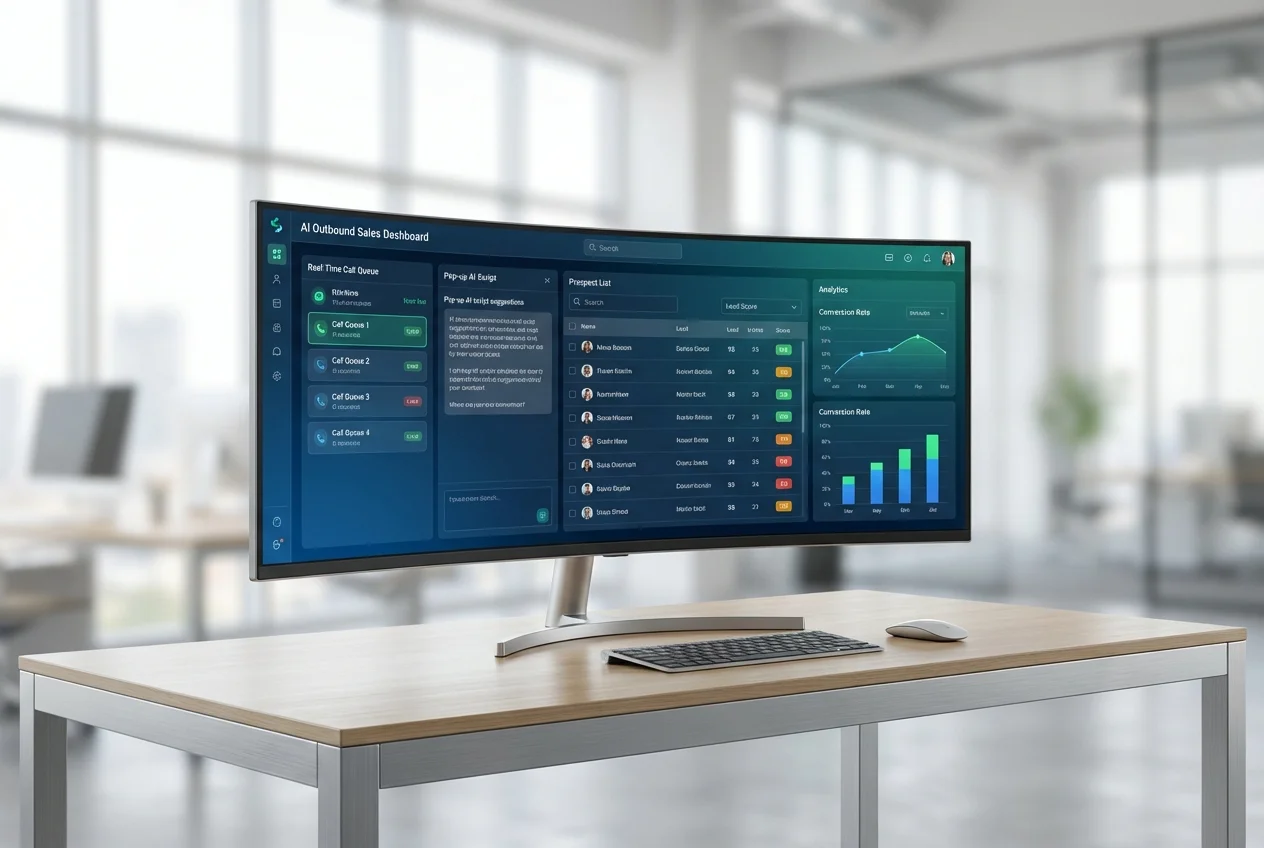 Parallel Outbound Campaign Agents
 Dedicated Booking Agents by Service Line
 Tiered Support Agent Architecture
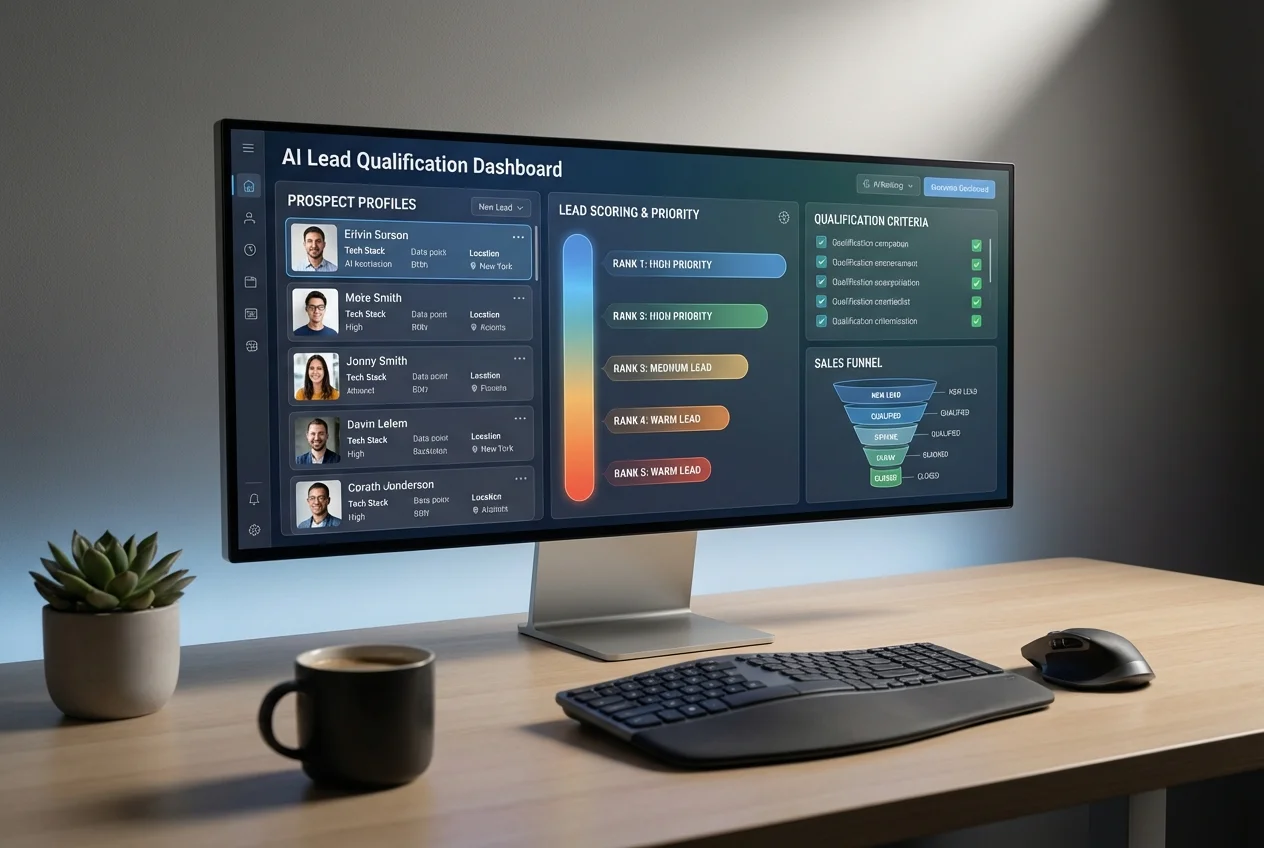 Segment-Specific Qualification Agents